
Polishing Stainless Steel
About Us
Stainless steel can fade and rust, which is why polishing is necessary.
We offer various polishing services for stainless steel, including MP, EP, CP, TP, SB, etc. Custom polishing is available with a minimum thickness of 0.05 mm, minimum width of 20 mm, and lengths up to 12,000 mm or more. The grades we polish include 304, 316, 430und 201. Choose SteelPRO-Gruppe for precise, high-quality finishes for your stainless steel needs!
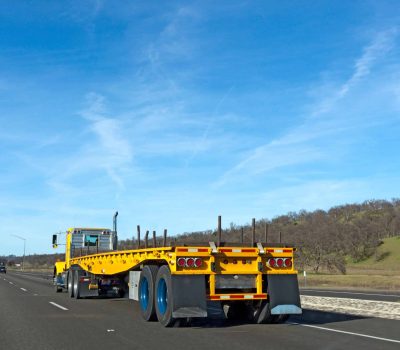
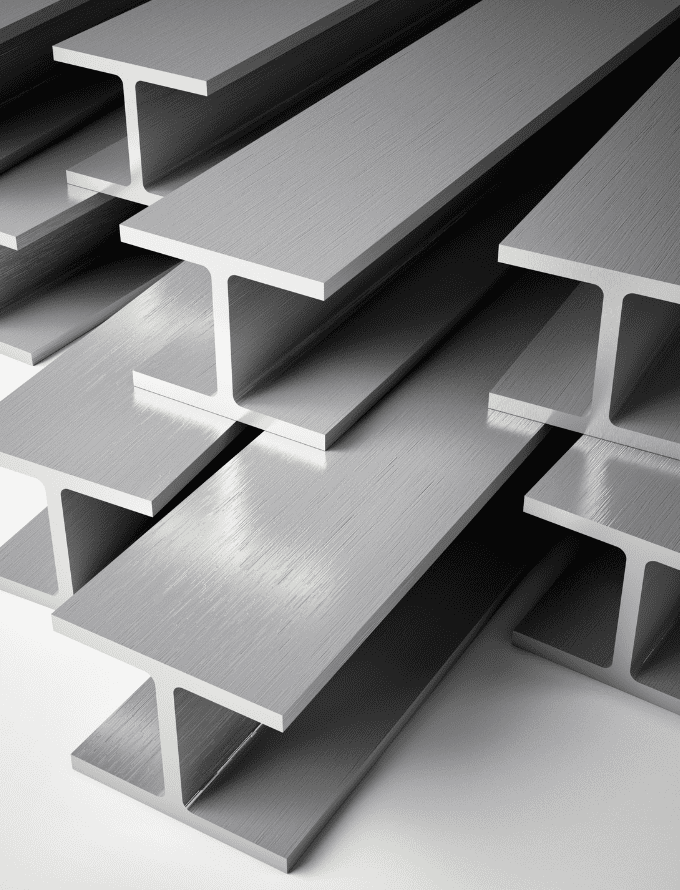
We offer to polish for the following shapes: Strip, Wire, Channel, Sheet, Plate, Bar, Rod, Pipe, Tubing, Coil, etc.

Polishing We Provide
- Mirror Polishing: No.6、No.7、No.8 (highest surface finish). Produces a reflective, glossy surface used in decorative and high-end applications.
- Satinierte Oberfläche: No.1、No.2、No.4. Creates a smooth, non-reflective finish ideal for appliances and high-traffic areas.
- Brushed Finish: No.3、No.4、No.5. Provides a textured, linear finish commonly used in architectural and industrial designs.
- Mattes Finish: No.2D、No.6. Delivers a dull, non-reflective surface suitable for industrial or low-glare environments.
- Hairline Finish: Linear scratches create a modern texture, used in architectural panels and appliances.
- Sandstrahlen: High-pressure abrasives create a uniform matte finish, ideal for industrial surfaces.
- Dupula: Multi-step polishing for a glossy, high-end surface, used in premium architectural and decorative applications.
Benefits of Polished Stainless Steel
- Improved Surface Finish: Achieve a smooth, refined surface for enhanced aesthetics and functionality.
- Verbesserte Korrosionsbeständigkeit: Polishing creates a protective layer, making the steel more resistant to rust and environmental damage.
- Increased Wear Resistance: Polishing hardens the surface, improving its ability to withstand abrasion and daily wear.
- Easier to Clean and Maintain: A polished surface is smoother, making it easier to clean and maintain over time.
- Better Machinability: Polishing improves the material’s surface, enhancing its performance in further processing or fabrication steps.
Why Stainless Steel Is Difficult to Polish
- Oberflächenhärte: Stainless steel is hard, which makes it resistant to polishing and requires tougher abrasives.
- Hitze-Empfindlichkeit: Polishing generates heat, which can affect stainless steel’s surface properties.
- Korrosionsbeständigkeit: Polishing can sometimes remove protective layers, requiring extra care during the process.
304 stainless steel is the easiest to polish due to its balanced composition, while 430 stainless steel is more challenging because of its ferritic structure and lower ductility.
The Stainless Steel Polishing Process
- Initial Grinding: Rough grinding to remove imperfections using coarse abrasives.
- Intermediate Polishing: Smoother grinding to refine the surface using medium abrasives.
- Fine Polishing: Final polishing to achieve a smooth or mirror finish using fine abrasives.
- Buffing: Optional step to enhance shine with soft abrasive materials like polishing wheels.
- Abrasives Used: Polishing is done using materials like ceramic abrasives, grinding balls, and polishing wheels.
Seien Sie kein Fremder!
Sie erzählen es uns. Wir hören zu.
Wenden Sie sich bei Fragen, Anliegen oder Feedback gerne an uns. Wir sind hier, um Ihnen zu helfen und sicherzustellen, dass Sie die bestmögliche Erfahrung machen. Ganz gleich, ob Sie weitere Informationen zu unseren Diensten suchen oder Unterstützung benötigen, unser Team ist bereit, Ihnen zu helfen.